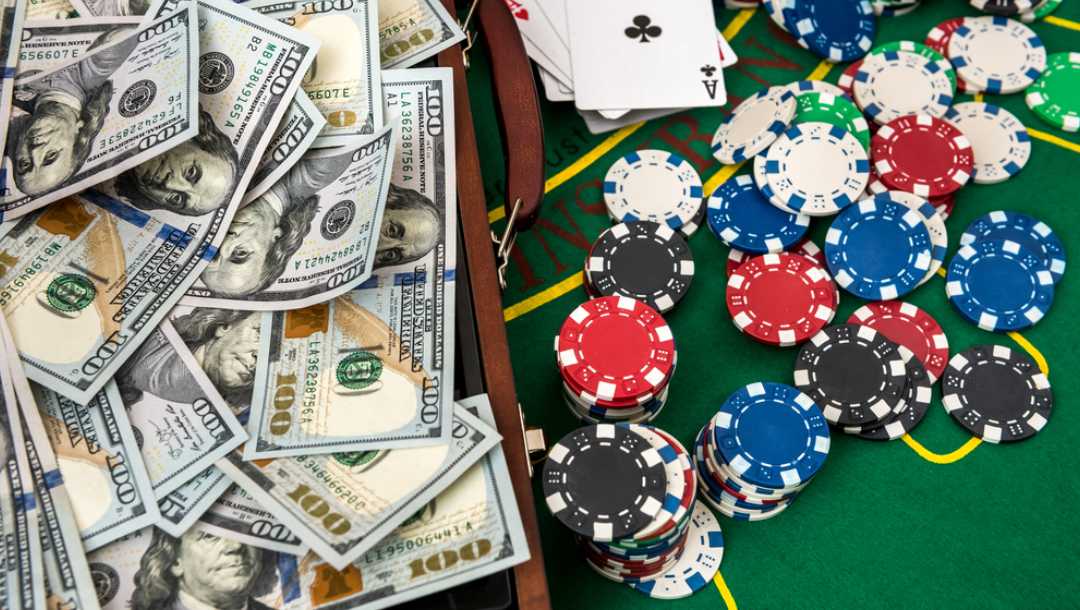
Exploring the psychology behind casino games Why gamblers take risks
The Thrill of Uncertainty
One of the fundamental aspects of gambling is the inherent uncertainty associated with each game. Casinos thrive on the principle that every spin of the roulette wheel or shuffle of the cards introduces a level of unpredictability. This unpredictability triggers a psychological response, often described as the “thrill of risk.” For many gamblers seeking a heightened experience, finding top crypto casinos enhances the excitement, as they offer unique opportunities to engage in risky bets while enjoying a thrilling atmosphere.

This thrill also stems from an innate human desire for adventure and challenge. Many players find that taking risks in a controlled environment, like a casino, allows them to escape from everyday stresses. The potential for a big win provides an adrenaline boost, making the experience more exhilarating and enjoyable. However, this psychological high can sometimes lead to reckless behavior, as the desire for that rush can overshadow a player’s ability to make sound decisions.
The Influence of Cognitive Biases
Cognitive biases play a significant role in how gamblers perceive their chances of winning. For instance, the gambler’s fallacy—a belief that past events can influence future outcomes—can lead players to make irrational decisions. If someone experiences a series of losses, they may think a win is “due,” prompting them to increase their bets in hopes of recouping losses. This misjudgment often stems from a misunderstanding of probability and randomness, which can further fuel risk-taking behavior.
Additionally, players tend to overestimate their skill level, especially in games that require some level of strategy, such as poker. This confidence can lead to prolonged engagement, increasing the amount of time and money spent. The illusion of control, where gamblers believe they can influence the outcome of games, reinforces their willingness to take risks, further entrenching them in the gambling culture.
The Role of Social Factors
Social influences are also crucial in understanding why individuals engage in gambling. The communal atmosphere of a casino, combined with social interactions, can foster an environment where risk-taking becomes normalized. People often gamble as a form of social bonding, where the thrill is amplified by participation with friends or family. This social context can drive individuals to take risks they might otherwise avoid if gambling alone.
Moreover, peer pressure and the desire to belong to a group can lead to increased gambling activities. Observing others win can create a sense of competition or FOMO (fear of missing out), prompting individuals to bet more than they ordinarily would. This social dimension of gambling is a powerful motivator, as the act of playing becomes intertwined with social identity and belonging.
Winning and Losses: Emotional Rollercoaster
The emotional experience of gambling is akin to a rollercoaster ride, filled with highs and lows. Winning can evoke feelings of euphoria and validation, reinforcing the behavior and encouraging players to continue gambling. Conversely, losses can lead to frustration and despair, prompting individuals to chase their losses. This cycle of winning and losing can create an addictive pattern, as players seek to prolong the positive feelings associated with wins while trying to escape the pain of losses.
The emotional volatility experienced during gambling is a critical factor in risk-taking behavior. Gamblers often find themselves fluctuating between hope and despair, making decisions based on their current emotional state rather than logical reasoning. This emotional rollercoaster can lead to a phenomenon known as the “near miss,” where a player comes close to winning, further fueling their desire to continue gambling in hopes of achieving that elusive win.

Your Journey in Understanding Gambling Behavior
Understanding the psychology behind casino games and why gamblers take risks provides valuable insights not only for players but also for those concerned about gambling habits. By recognizing the emotions, cognitive biases, and social influences at play, individuals can make more informed choices regarding gambling. It’s essential to approach gambling with a clear understanding of the potential risks and rewards.
As you explore this complex landscape, we invite you to delve deeper into our resources. Navigating the world of gambling can be challenging, and our website is dedicated to offering guidance and support for individuals looking to understand their behaviors better. Your journey towards a responsible gambling experience matters to us, and we are here to help you make informed decisions.